Mommy Poppy: The Playful Handwritten Font for Creators
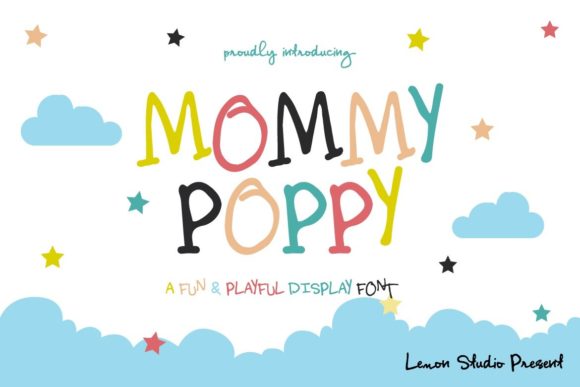
When you need to cut through the noise of a saturated digital feed, Mommy Poppy offers a distinct visual advantage as a premium Script Handwritten typeface. Among the thousands of generic Fonts available today, this specific style stands out because it merges professional legibility with a whimsical, human touch that algorithms and audiences alike seem to crave. As a marketing specialist, I have found that integrating a character-rich font like this into your design stack can significantly boost engagement rates on social platforms where personality is currency.
Creating Scroll-Stopping Social Media Graphics with Mommy Poppy
In the fast-paced world of Instagram and TikTok, you have less than three seconds to capture attention, which is why Mommy Poppy serves as an essential tool for creating high-impact Script Handwritten overlays. Unlike rigid geometric Fonts, this typeface brings a sense of movement and energy that stops the scroll. When designing Reels covers or Pinterest pins, the uneven baseline and playful curves of Mommy Poppy create a dynamic visual hierarchy that guides the eye naturally to the most critical message. This is particularly effective for lifestyle brands, parenting blogs, or creative agencies looking to project approachability without sacrificing style. By using this font for short, punchy headlines, you ensure that your thumbnail text remains readable even on small mobile screens, a crucial factor for maintaining click-through rates in competitive niches.
Boosting Brand Recognition Through Consistent Typography
Consistency is the backbone of brand identity, and Mommy Poppy provides a unique anchor for your visual language within the realm of Script Handwritten aesthetics. While many businesses rely on safe, overused Fonts, adopting a distinctive typeface like Mommy Poppy helps carve out a memorable niche in the consumer’s mind. Whether you are designing email headers, digital banners, or logo marks, the consistent use of this playful script creates a cohesive narrative across all touchpoints. It signals to your audience that your brand is fun, authentic, and detail-oriented. For content creators, this means that even when you switch from a YouTube thumbnail to an Instagram story, the underlying typographic voice remains recognizable, fostering trust and familiarity with your community.
Enhancing Readability and Engagement in Digital Ads
Effective advertising requires a balance between creativity and clarity, and Mommy Poppy achieves this by offering a unique Script Handwritten style that remains surprisingly legible. When compared to overly complex decorative Fonts, Mommy Poppy maintains open counters and clear letterforms, making it ideal for call-to-action buttons or promotional headlines in Facebook and Google ads. The font’s inspiration from cute children and colorful designs translates into a warm, inviting tone that can soften the sales pitch, making it feel more like a recommendation from a friend than a corporate broadcast. This psychological cue can lower resistance to ad fatigue, encouraging users to engage with your content rather than skip past it. For seasonal promotions or product launches, this font adds a layer of excitement and urgency that feels organic rather than forced.
Strategic Font Pairing for Professional Campaign Visuals
To maximize the impact of Mommy Poppy, it is crucial to pair it correctly with complementary Script Handwritten or structural Fonts. A common mistake among novice designers is pairing two decorative fonts, which creates visual clutter and reduces readability. Instead, combine Mommy Poppy with a clean, modern sans serif font for body text and captions. This contrast allows the handwritten elements to shine as focal points while ensuring that detailed information remains easy to digest. For a more editorial or sophisticated look, you might pair it with a classic serif font, creating a juxtaposition between playful spontaneity and traditional stability. This technique is particularly useful for webinar banners, ebook covers, or landing pages where you need to convey both professionalism and personality. By mastering these pairings, you elevate your design assets from amateur to agency-quality.
Optimizing Visual Hierarchy for Mobile-First Audiences
With the majority of web traffic coming from mobile devices, Mommy Poppy must be deployed strategically to ensure optimal performance on smaller screens. As a versatile Script Handwritten option, it works best when used for titles, short quotes, or decorative accents rather than long paragraphs. When designing for mobile, increase the letter spacing slightly to prevent the playful ligatures from merging together, ensuring that each character remains distinct. This attention to detail improves the user experience, reducing bounce rates on landing pages and increasing time-on-site for blog posts. Furthermore, using Mommy Poppy for key takeaways or bullet points in carousel posts can break up text-heavy content, making it more scannable for users who are browsing quickly. This strategic application of typography supports better information retention and encourages deeper engagement with your core messaging.
Licensing Considerations for Commercial Design Projects
Before integrating Mommy Poppy into client work or commercial products, it is vital to review the licensing terms associated with this Script Handwritten asset. Many free Fonts come with restrictions that prohibit use in logos, merchandise, or large-scale advertising campaigns. Ensuring you have the appropriate commercial license protects your business from legal issues and supports the original type designer. For agencies and freelancers, investing in properly licensed fonts like Mommy Poppy also adds value to your service offerings, as it guarantees that your clients’ brand assets are secure and professionally sourced. Always check if the license covers web embedding, app usage, and print runs, especially if you are designing packaging or physical products. This due diligence is a hallmark of a professional marketer who understands that great design is built on a foundation of ethical and legal compliance.